
SQI deploys Nigeria-hosted private AI infrastructure, brings scholarship platform fully in-house

SQI deploys Nigeria-hosted private AI infrastructure, brings scholarship platform fully in-house

Students nationwide will gain hands-on access to AI computing, application hosting, DevOps, server administration and cybersecurity environments

OGBOMOSO, NIGERIA

SQI College of ICT has completed the deployment of new high-performance, private AI and server infrastructure, giving the institution greater control over the computing environment used for teaching, research, software deployment and institutional operations.

Hosted and managed in Nigeria, the infrastructure gives authorised students and staff across all SQI campuses access to a private cloud environment for artificial intelligence development, application deployment, research collaboration, server administration and cybersecurity practice.

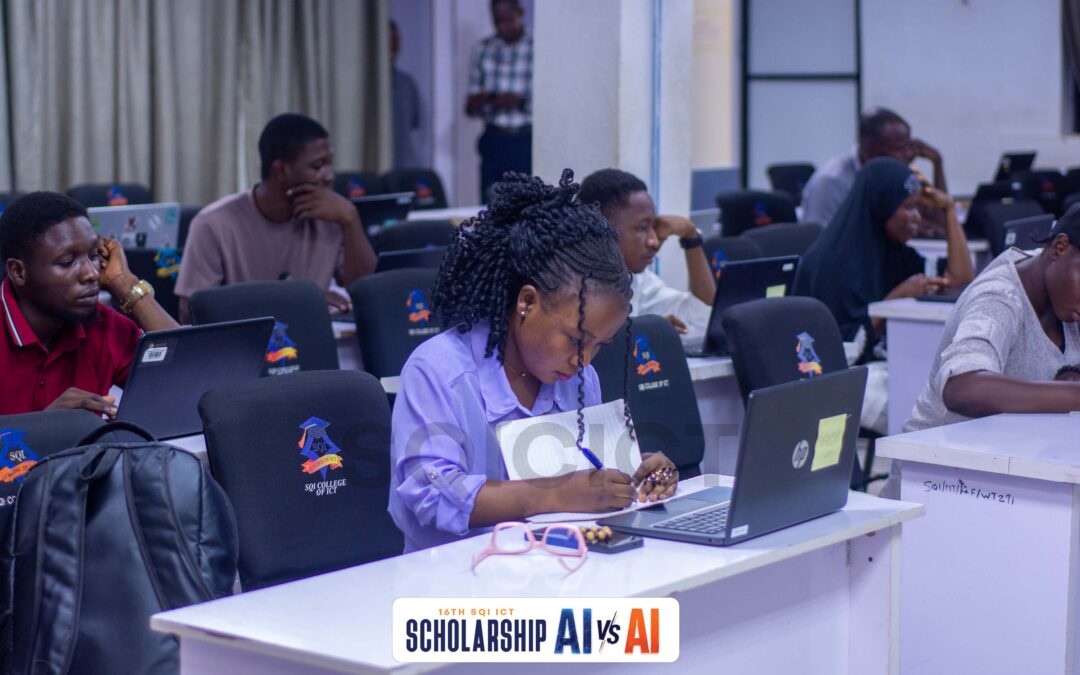
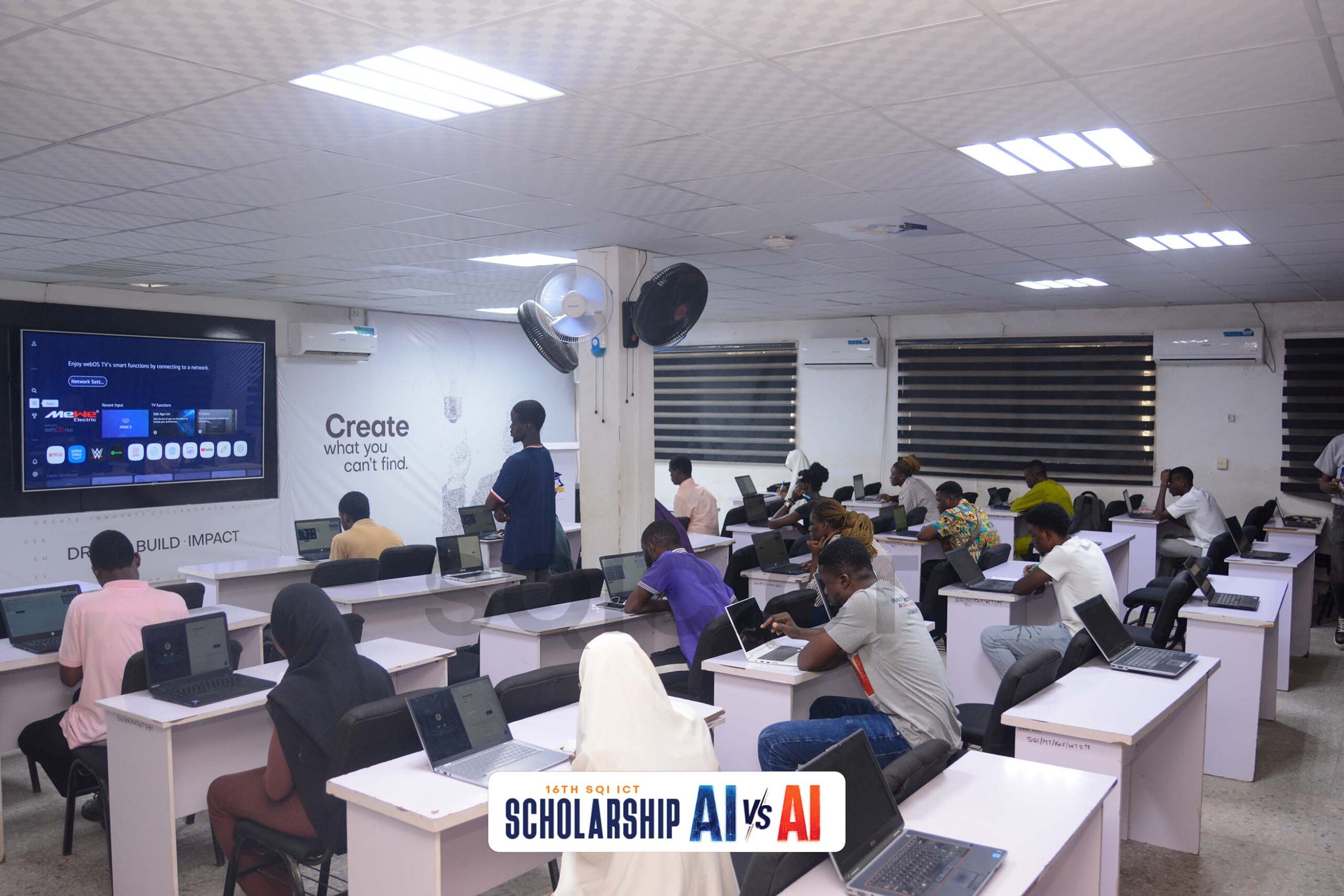
The College has already put the infrastructure into operation. Its most recent nationwide scholarship exercise ran fully on the new system, making it the first SQI scholarship application platform to be built, hosted and maintained entirely by Nigerians on infrastructure located in Nigeria.

SQI has conducted its annual scholarship programme since 2011. Moving the platform in-house gives the College direct control over its computing capacity, applicant data, system administration, security policies and recovery planning, while reducing its dependence on third-party hosting platforms.

The investment also changes what students can experience while learning. Students across SQI campuses now have unthrottled academic access to the infrastructure for approved exploration, research and innovation. From January 2027, they will be able to host and test their web applications on the platform at no additional hosting cost while they are still studying.

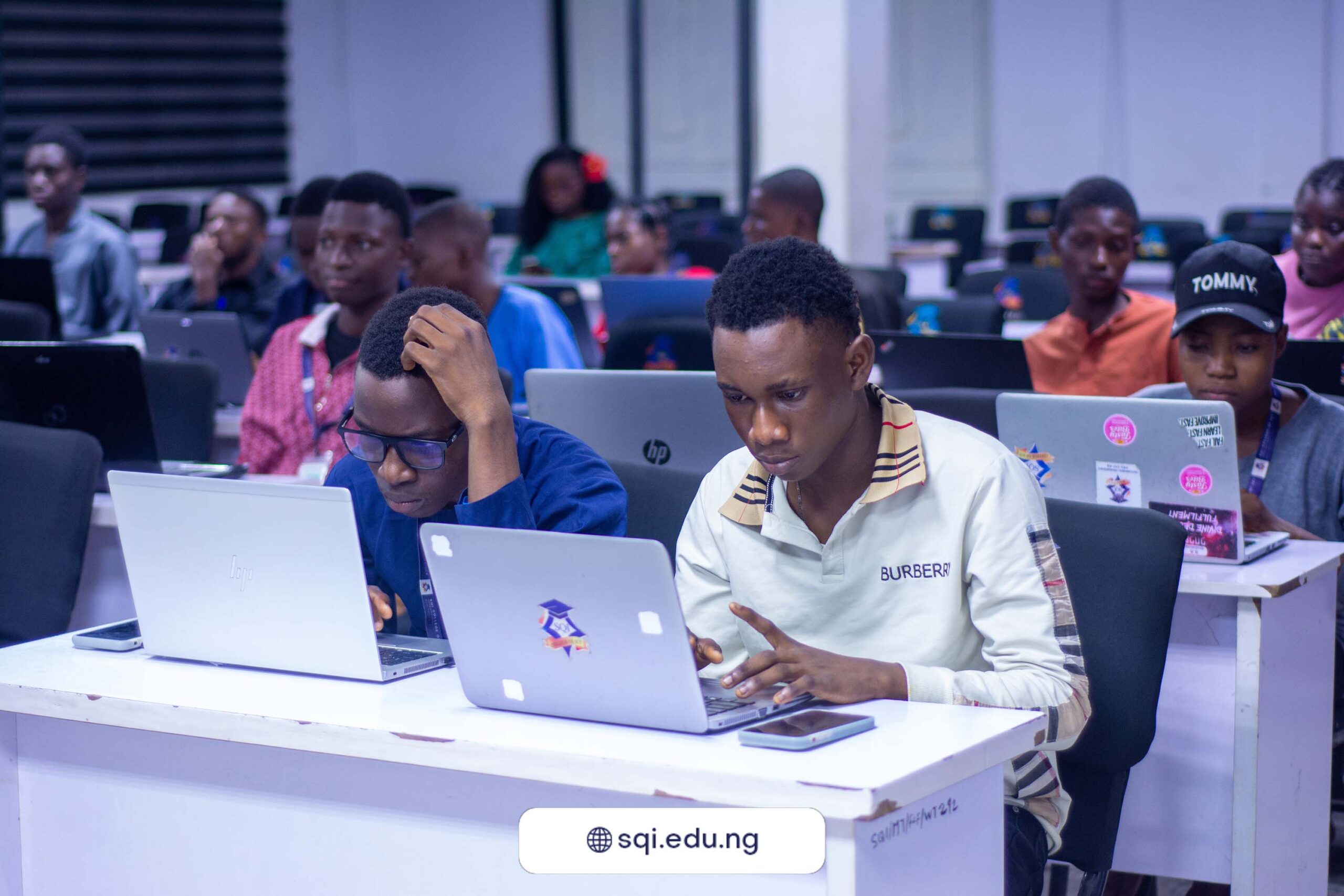
A student will therefore be able to develop an application, deploy it to a live server, configure its environment, connect a database, monitor its performance, study system logs, manage access, investigate vulnerabilities and troubleshoot failures within a real computing environment.

For students studying DevOps, server administration and cybersecurity, the infrastructure provides something that classroom explanations and simulations cannot fully reproduce: responsibility for systems that must actually run.

“A student should not complete a programme in DevOps, cybersecurity or server administration having only read about servers or watched someone else manage one,” said Adeyemi C. Aderinto, Founder and President of SQI College of ICT. “The student must enter the environment, deploy something, configure it, encounter real problems, investigate what happened and restore the system. That is how technical confidence and competence are built.”

The infrastructure also gives SQI the capacity to fine-tune, test and deploy local artificial intelligence models while keeping sensitive training data and workloads within an environment controlled by the institution. It will support applied AI research and experimentation across academic departments, while helping the College prepare for the accreditation of Artificial Intelligence as part of its planned Higher National Diploma programmes in 2027.

The deployment comes as Nigeria places greater emphasis on local digital infrastructure and data sovereignty.
In June 2026, the Central Bank of Nigeria directed banks, fintech companies and other licensed payment operators to ensure that payment transaction data generated within Nigeria is stored and managed in Nigeria by 1 January 2027. Although the directive applies specifically to the payments industry, it points to a wider national need for local infrastructure and professionals capable of building, securing and managing it.

The major Namecheap service outage of 13 August 2026 provided another reminder that digital services ultimately depend on physical infrastructure, reliable power and cooling, effective monitoring, competent personnel and tested recovery systems. The incident followed a cooling-system failure at a Phoenix data centre and affected hosting, email, DNS and other services used by customers in different parts of the world.

“The recent Namecheap incident reminds us that every digital service depends on physical infrastructure, skilled people and effective recovery systems,” Aderinto said. “When critical infrastructure is outside your control, decisions and failures elsewhere can immediately affect your operations.

“Nigeria cannot build a strong digital economy by remaining only a consumer of infrastructure developed and controlled elsewhere. We must train people who can build, secure, manage and improve the infrastructure that will power our own digital future.”

The new SQI infrastructure will provide practical experience in areas including:

  • artificial intelligence model development, fine-tuning and deployment;
  • web application hosting and testing;
  • Linux and server administration;
  • DevOps workflows and deployment automation;
  • containerisation and application environment management;
  • database deployment and administration;
  • infrastructure and network monitoring;
  • authorised cybersecurity testing;
  • identity and access management;
  • system logging and incident investigation;
  • backup, recovery and service continuity; and
  • remote research and technical collaboration.

Authorised users will be able to connect securely from SQI campuses and other approved locations, allowing students and staff to collaborate across Ogbomoso, Ibadan, Lagos, Abuja, Abeokuta, Osogbo and the College’s virtual learning community.

The infrastructure is primarily an educational, research and institutional environment. It is not being presented as a commercial hosting service or as a substitute for the regulated production infrastructure required by banks, fintech companies and payment service providers.

According to SQI, its purpose is to close the distance between learning how digital systems work and accepting responsibility for building and managing them.

“We established SQI because Africa must move from merely using technology to creating it,” Aderinto added. “This infrastructure gives our students another level of access to what is possible. They will not simply write applications. They will learn what it takes to deploy, protect, maintain and keep those applications running.”

The project reflects the relationship between SQI’s training and technology-development work. The institution uses functioning systems to demonstrate what can be built, then gives students the knowledge, tools and practical environment required to build systems of their own.

The deployment follows SQI’s 2026 Annual Scholarship Programme, themed “AI vs AI,” and forms part of the College’s continuing investment in artificial intelligence, software engineering, cybersecurity and locally developed digital capacity.

About SQI College of ICT

Founded in 2008 as Soft Quest Incorporated, SQI College of ICT is an NBTE-accredited monotechnic headquartered in Ogbomoso, Nigeria, with permanent campuses in Ogbomoso, Ibadan, Lagos, Abuja, Abeokuta and Osogbo, as well as virtual study options.

The College currently awards National Diplomas and Professional Certificates in technology and related disciplines. It is preparing to introduce Higher National Diploma programmes in 2027, subject to the applicable approval and accreditation processes.

Since 2011, SQI has operated an annual scholarship programme designed to expand access to technology education for Nigerian and African students.

Its mission is to make Africa a tech continent, one mind at a time.

Media contact:
Seyi Odekomaya

07074889431
Director of Academics and Partnerships
SQI College of ICT

seyi.odekomaya@sqi.edu.ng
https://sqi.edu.ng
SQI College of ICT launches AI-focused Summer School for children

SQI College of ICT launches AI-focused Summer School for children

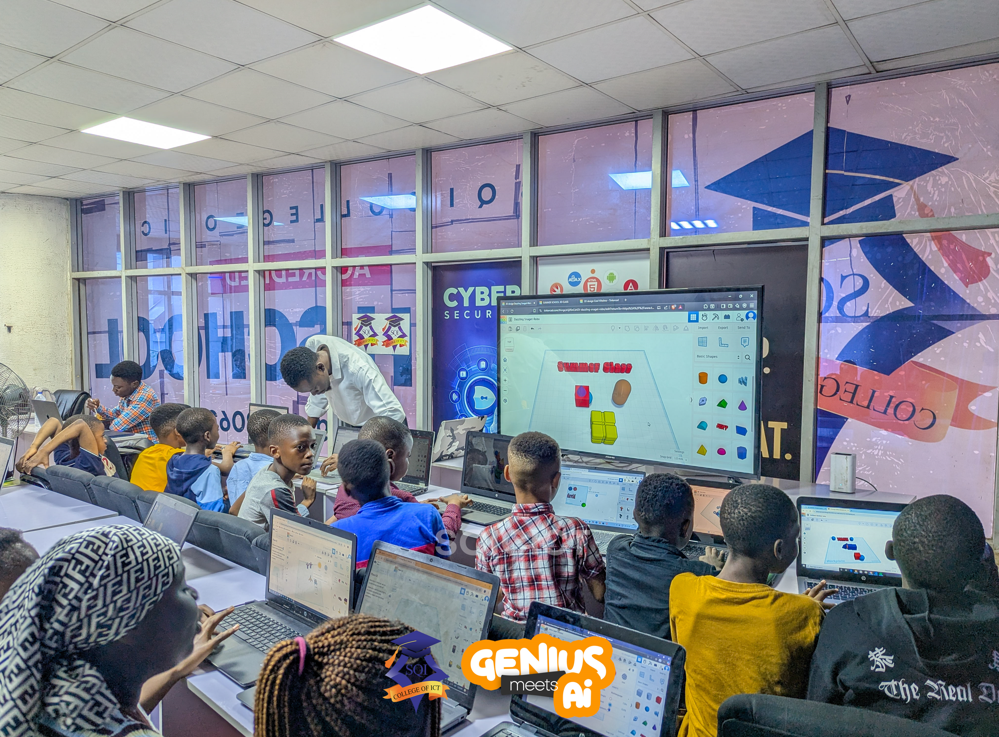
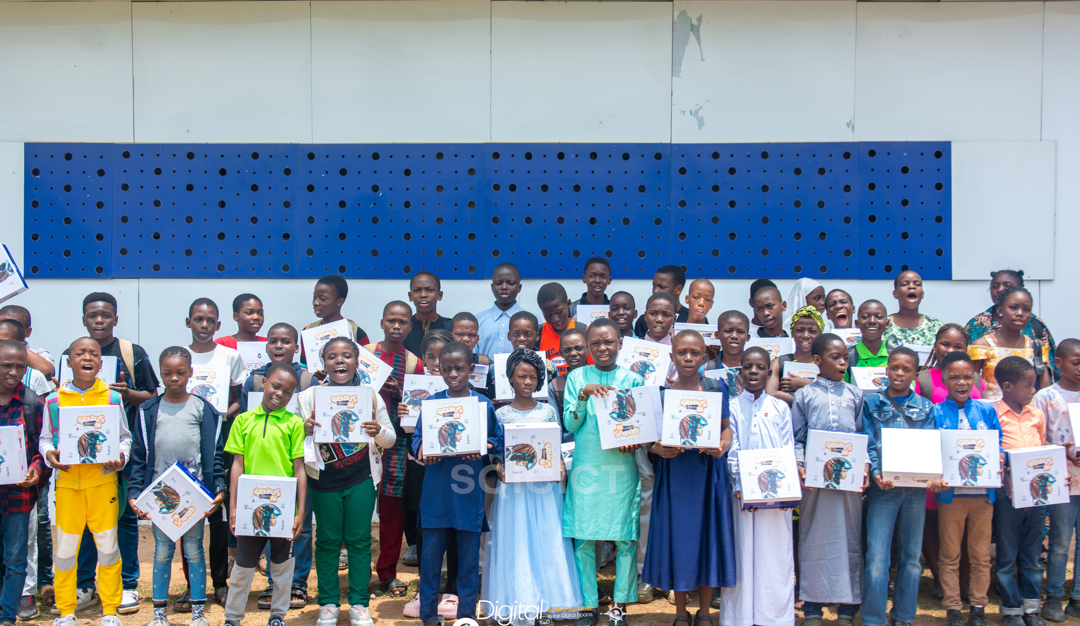
As schools across the country prepare for the long vacation, SQI College of ICT has announced the commencement of its 2026 Summer School, introducing a technology-driven holiday programme designed to equip children with practical digital skills and prepare them for an AI-powered future.

The two-month programme, scheduled to run from August 3 to September 4, 2026, is targeted at children between the ages of 8 and 12 and will be held across the institution’s campuses in Ogbomoso, Ibadan, Abeokuta, Osogbo, Abuja and Lagos.

A major highlight of this year’s edition is the introduction of AI Mixer Labs, a learning track that combines Artificial Intelligence with hands-on technology projects to help children learn, create, build and innovate.

According to the college, the programme was designed to move beyond traditional computer lessons by exposing children to technologies shaping the future while encouraging creativity, collaboration and problem-solving.

Participants will receive practical training in AI App Development, Coding, Graphics Design, Animation, Prompt Engineering, Video and Podcast Production, Game Development, and project-based learning that culminates in a Demo Day where learners showcase their work.

The institution explained that the curriculum allows children to explore Artificial Intelligence in an age-appropriate manner while developing the confidence to build digital solutions rather than merely consume technology.

“Our goal is to help young learners become creators, innovators and problem-solvers. We believe every child should have the opportunity to understand how technology works and how they can use it to solve real-life challenges,” the college said.

Beyond technical instruction, the programme places emphasis on collaboration, creativity and innovation through practical classroom activities led by experienced instructors.

SQI College of ICT noted that participants will work on real projects throughout the programme, enabling them to gain practical experience in designing applications, creating digital content, developing games and producing multimedia projects.

The institution added that exposing children to emerging technologies at an early age helps develop analytical thinking, logical reasoning, communication skills and digital confidence—qualities that are increasingly valuable in today’s technology-driven world.

Parents were also assured of a safe and engaging learning environment where children are encouraged to experiment, ask questions and build solutions in collaboration with their peers.

Successful participants will receive certificates of participation upon completion of the programme.

The Summer School will run from Monday to Friday over a period of two months at a fee of ₦70,000.

The institution encouraged parents to register early, noting that spaces are limited.
Please fill this form to register

For us at SQI College of ICT, the Summer School reflects its commitment to preparing the next generation of digital innovators by giving children early exposure to emerging technologies, particularly Artificial Intelligence.

With AI continuing to reshape industries and redefine the future of work, the college believes introducing children to these technologies today will position them with the confidence and skills needed to thrive in tomorrow’s digital economy.

SQI College of ICT Launches 2026 Annual Scholarship Programme

SQI College of ICT Launches 2026 Annual Scholarship Programme

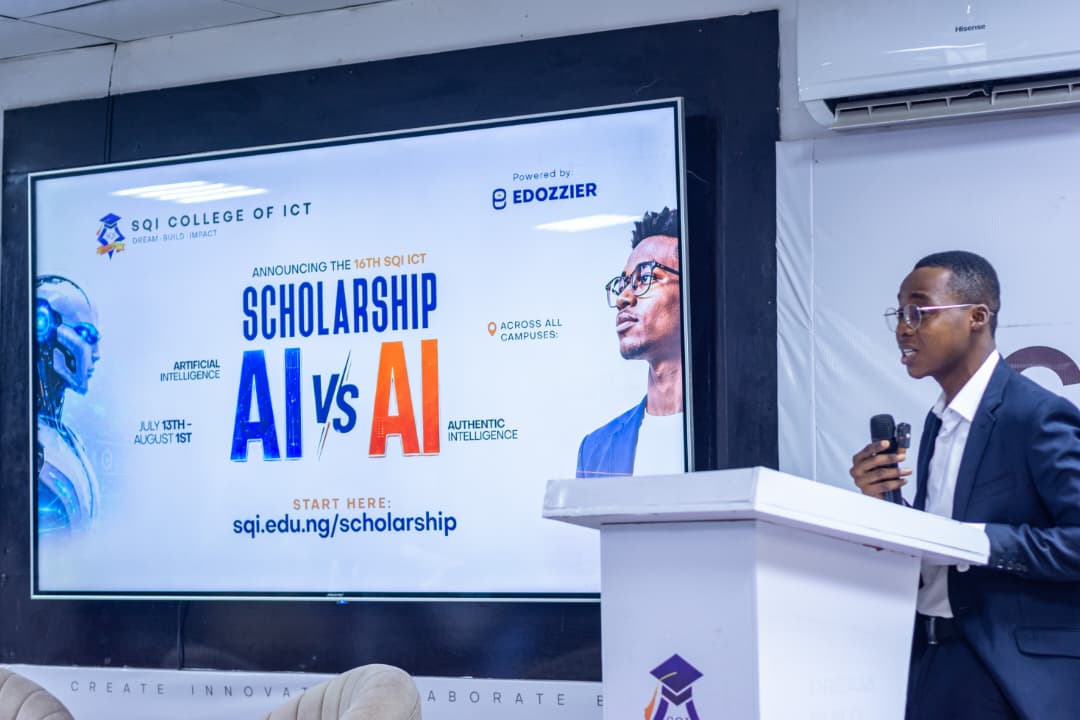
SQI College of ICT officially launched the 2026 Annual Scholarship Programme on 13 July 2026, reaffirming its commitment to expanding access to quality technology education for passionate and aspiring young Nigerians.

The official launch took place during the institution’s monthly MindTalk event, a special platform designed to help participants develop strong behavioural and interpersonal skills alongside technical competence, equipping them to excel anywhere in the world.

Announcing the scholarship, the Founder of SQI College of ICT, Adeyemi C. Aderinto, said the world is experiencing a defining technological shift driven by Artificial Intelligence (AI), noting that every generation is shaped by a force that transforms how people live, learn, and work.

According to him, AI has become that defining force for this generation. He explained that individuals and organisations that embrace emerging technologies early will gain a significant competitive advantage, while those who fail to adapt risk being left behind as industries continue to evolve.

The founder said the rise of Artificial Intelligence is creating entirely new industries, careers, and economic opportunities, making it imperative for educational institutions to prepare students for the realities of a rapidly changing digital economy.

He urged young Nigerians, businesses, and educational institutions to see AI not as a threat but as a tool for innovation, productivity, and sustainable growth.

Speaking further on the event’s theme, “AI vs AI,” he explained that success in the AI era would depend on combining Artificial Intelligence with what he described as Authentic Intelligence—the uniquely human qualities that machines cannot replicate.

“The winning teams, companies, and professionals will be those who are in charge of AI. They will know when AI is wrong, understand its limitations, work effectively with it, and use it to become better software developers, product designers, cybersecurity experts, data analysts, entrepreneurs, and innovators. AI should enhance human potential, not replace it.”

Also speaking at the event, the Academic Director of SQI College of ICT, Mr. Oluwaseyi Odekomaya, reflected on the impact of the institution’s annual scholarship programme since its inception in 2011.

Presenting a statistical report, he highlighted how the scholarship has opened doors of opportunity for thousands of young Nigerians who might otherwise have been unable to access quality technology education.

According to him, beneficiaries of the scholarship programme have gone on to build successful careers in software engineering, cybersecurity, artificial intelligence, data science, cloud computing, product design, digital marketing, and other emerging technology fields, while many others have gone on to establish successful technology startups.

Mr. Odekomaya encouraged eligible young Nigerians to take advantage of the opportunity by registering for the scholarship.

SQI scholarship is open to individuals within Africa only between the ages of 13 and 35 who are passionate about building careers in technology and innovation.

Interested applicants are required to register through the SQI College of ICT Scholarship Portal at sqi.edu.ng/scholarship. After completing the online registration, applicants can immediately take the scholarship test and then proceed to start their tech journey.

The 2026 Annual Scholarship Programme offers deserving applicants the opportunity to study professional ICT courses at SQI College of ICT through tuition scholarships of up to 100 per cent, depending on their performance in the scholarship test.

SQI College of ICT encouraged eligible applicants to register early to avoid missing out on the opportunity, noting that applications will remain open for only a limited period. The institution described the scholarship as more than financial assistance; it is a strategic investment in developing the next generation of innovators, problem-solvers, and digital leaders.

SQI awards scholarships worth millions to over 3,000 students

SQI awards scholarships worth millions to over 3,000 students

SQI College of ICT has awarded scholarships worth millions of naira to over 3,000 students across Africa under its 2026 Annual Scholarship Programme, reinforcing its commitment to expanding access to technology education on the continent.

The scholarship exercise, which ran from 13 July to early August 2026, attracted more than 13,000 applications from 35 countries across Africa and beyond.

According to the college, the initiative is designed for individuals between the ages of 13 and 35 who face financial barriers to acquiring professional technology skills. It seeks to increase access to digital education by significantly reducing the cost of tuition.

The Rector of SQI College of ICT, Dr. Adegbenro Sunday Ajani, congratulated the beneficiaries and encouraged them to make the most of the opportunity.

“At SQI, we believe that talent should never be limited by financial constraints. Through this scholarship, we are investing in the next generation of innovators, problem-solvers, and technology leaders. We urge every beneficiary to approach the programme with dedication and excellence, knowing that the future belongs to those who are prepared,” Dr. Ajani said.

The institution explained that the 2026 scholarship programme was held under the theme, “AI vs AI,” highlighting the importance of combining artificial intelligence with human intelligence to prepare young Africans for an increasingly technology-driven solutions.

The Academic Director of SQI College of ICT, Oluwaseyi Odekomaya, said more than 8,000 applicants sat for the scholarship examination, with successful candidates receiving either full or partial scholarships.

He said the beneficiaries have been admitted to study programmes including Software Engineering, Artificial Intelligence, Data Science, Data Analytics, Cybersecurity, Product Design, Product Management, Cloud Computing, Digital Marketing, and other professional ICT courses offered by the institution.

According to him, the overwhelming response to the scholarship programme reflects the growing interest among young Africans in technology careers and the rising demand for digital skills across industries.

He disclosed that 14 candidates received full scholarships covering 100 per cent of their tuition, while thousands of other successful applicants were awarded partial scholarships that substantially reduced the cost of their studies.

Successful candidates began their training immediately at any of the SQI physical campuses across the nation or virtually, joining a community of more than 100,000 learners and alumni who have passed through the institution over the years.

The institution is determined to continue investing in scholarship initiatives as part of its broader mission to improve access to quality technology education and equip young Africans with the skills needed for employment, entrepreneurship, and innovation in the digital economy.

SQI COLLEGE OF ICT ANNOUNCES 2026/2027 POST-UTME SCREENING EXERCISE

SQI COLLEGE OF ICT ANNOUNCES 2026/2027 POST-UTME SCREENING EXERCISE

2026/2027 NATIONAL DIPLOMA ADMISSION AND POST UTME SCREENING PROCEDURE.

The National Diploma (ND) is a two-year academic qualification in Nigeria, offered by polytechnics and monotechnic NBTE-approved institutions. While the ND focuses on, innovation-driven skills, technical and vocational training; serving as foundational programs for further studies such as the Higher National Diploma (HND) or Direct Entry (DE) into the university or as qualifications for immediate entry into the workforce.


INVITATION AND ELIGIBILITY
SQI College Of ICT, Ogbomoso, invites all JAMB candidates in the following categories for the 2026/2027 Admission Screening Registration:
i. Candidates whose first choice of institution is SQI College of ICT.

ii. Candidates who wish to choose SQI College of ICT as their first choice. They are,

However, required to change their choice of institution to SQI College of ICT on the JAMB Portal before the Pre-Admission Screening Registration. (Visit your JAMB registration center to effect the change of Institution)

To be eligible, admission into the National Diploma/National Innovation Diploma programs in the following courses;

1. Computer Science: Candidates must have Five (5) credit passes in WAEC, NECO GCE or NABTEB at not more than two sittings. The five (5) subjects must include:
English Language, Mathematics, Physics and two other subjects chosen from the following: Economics, Geography, Further Mathematics, Chemistry, Biology or Agricultural Science.

2. Accountancy: Candidates must have Five (5) credit passes in WAEC, NECO GCE or NABTEB at not more than two sittings The five (5) subjects must include: English Language, Mathematics and any other three subjects from the following: Economics, Business Methods, Principles of Accounts, Literature in English,
Commerce, History, Statistics, geography, Government, Agricultural Science or Biology.

3. Business Administration and Management: Candidates must have Five (5) credit passes in WAEC, NECO GCE or NABTEB at not more than two sittings.

The five (5) subjects must include: English Language, Mathematics, and any other three subjects from economics, Business Methods, Principles of Accounts, Literature in English, Commerce, History, Statistics, Geography, Government, Agricultural Science or Biology.

NOTE: Candidates awaiting O’level results can also apply in any of the programme but they must possess five (5) credit passes as described above before graduation; also, candidate who did not write the 2025 JAMB can also apply but must write the next JAMB. Online registration starts from August 1, 2026.

2. REGISTRATION/POST-UTME SCREENING FEES

Candidates are required to pay a non-refundable fee of Two Thousand Naira (N2,000)
only.

3. REGISTRATION AND POST-UTME SCREENING PROCEDURE
To commence Application and register for POST-UTME:
1). Visit https://sqi.edu.ng/post-utme
2). Click on “Register for PostUTME” to go to the registration page
3). Create an account if you do not have one already.
a. Fill up your details (Please note: Enter only valid personal phone number and email address then create your password. Ensure to use a password that you can easily remember)
b. Click on Dashboard at the top left corner on the admission portal and selectthe “pick course” option.
c. Under the Select a Campus option, select Ogbomoso campus.
d. Select your programme of choice under the “Select a program” option.
e. Pick your preferred course Under the “select department & level” option and proceed to “save course”.
f. Proceed to pay your application fee of 2,000 NGN by clicking “Okay” on the pop-up message.
g. Click on “Pay” to make payment using your Debit Card
4) If you already have an account:
✓ Click on Sign in, input your email and your password, and then carry out the process from 3b. – 3g.
5) Click on the “Personal Info” option and proceed to fill in the required information (Ensure you input the appropriate information where necessary).
6) Click on the “Education” option in the tabs, select the “Add result” option, and proceed to input your O’level results, a minimum of 5 credit passes and a maximum of 9 credit passes. Kindly omit the “post-secondary educational institution record” option.
7) Click on the “Referee” option in the tabs, select the “Add referee” option, provide a minimum of 2 referees. The referee is someone we can contact or be responsible for you. (your Parent, Guardian or a Close-Relative is appropriate).
8) Proceed to upload the necessary personal and academic documents for admission on the “credential upload” option in the tab, and select “Add upload”.

Input the name of your upload and choose the Upload type at the top right corner to choose the upload type (O’level result, Testimonial, Local government ID, Birth certificate, and any other available documents).
9) Prepare and get ready for the Post-UTME Screening (Test/Interview).
Note: When you have successfully completed all the above steps, the college shall communicate further details to you via your contact number and email address.

For support, contact: 09062819993
In addition to all the requirements stated above, candidates are to note that final admission into the National Diploma is based on meeting the National Diploma’s and the Academic Programmes’ requirements, a minimum score in JAMB (100) and also on the availability of spaces within the NBTE approved admission quota for SQI College Of ICT.


Screening registration fee: ₦2,000

For further enquiries, possible updates, extensions and additional instructions, visit: http://sqi.edu.ng/post-utme or please e-mail: admissions@sqi.edu.ng or call: 0906 281 9993 (also available for WhatsApp and text messages)


Signed. 

Registrar,
SQI College of ICT.

Please be advised!

Do not make any payment for our courses or services to any account or platform other than corporate accounts provided by SQI College of ICT.

The College will not be held responsible for any loss or issue arising from payments made to unauthorised individuals or channels.

Thank you for your cooperation.